
A SPACE TO EXPLORE ESOTERICISM
The journey of
consciousness.
A space to explore the ideas of esoteric traditions from around the world and their connections. Discover their texts, symbols and practices.
Reading is the starting point. Curiosity, the compass.
It all starts with a question.
A JOURNEY THROUGH ESOTERIC TRADITIONS
Follow the thread.
Shape your perspective.
A map of esoteric knowledge to discover its traditions, follow their correspondences and build your own path of study.
Find a voice.
Explore treatises, grimoires and other esoteric sources. Read each passage in context.
Explore the library ↗02 / CONNECTOpen a conversation.
Bring different traditions into dialogue. Explore their shared symbols, correspondences and differences.
Compare sources ↗03 / MAKE IT YOURSLeave a trace.
Gather passages, symbols and questions in your notebook. Trace your own path through esoteric thought.
Open notebook ↗Questions from our reading: choose one to begin
Consciousness and matter
What changes when work on matter is also read as a transformation of the practitioner?
Begin →Symbol and transformation
How can we read the different accounts of the stone while preserving their differences?
Begin →The observer within the work
Where do we read from, and what is the place of the knower?
Begin →The image is also a source
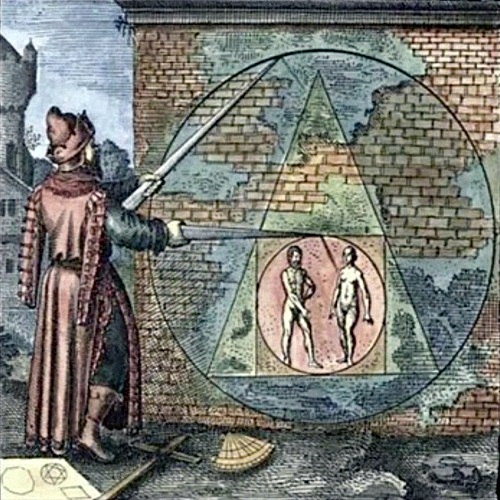
Emblema XXI
Maier — Atalanta fugiens (1617)
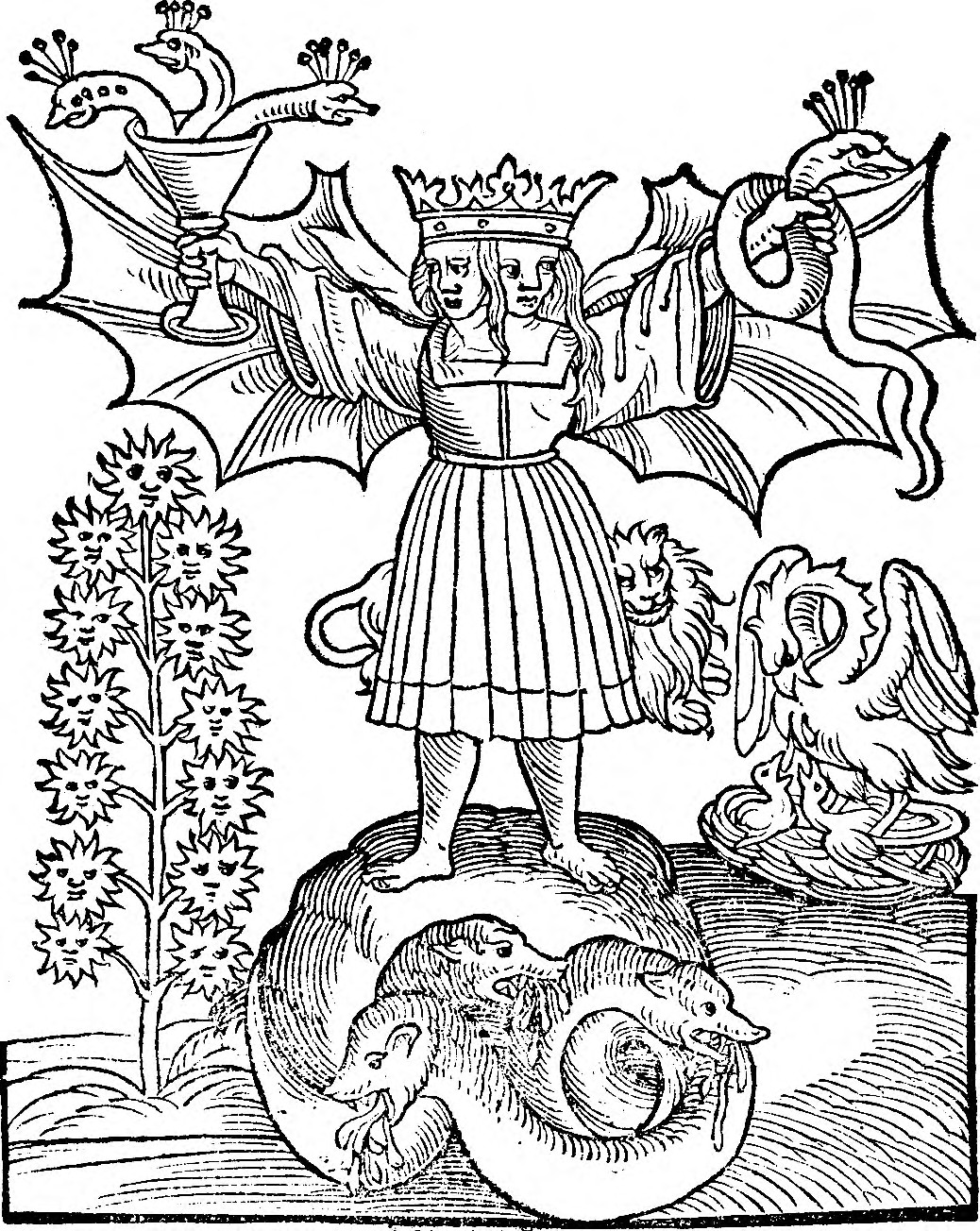
Lámina 18.ª (decimoctava de la serie)
Rosarium Philosophorum
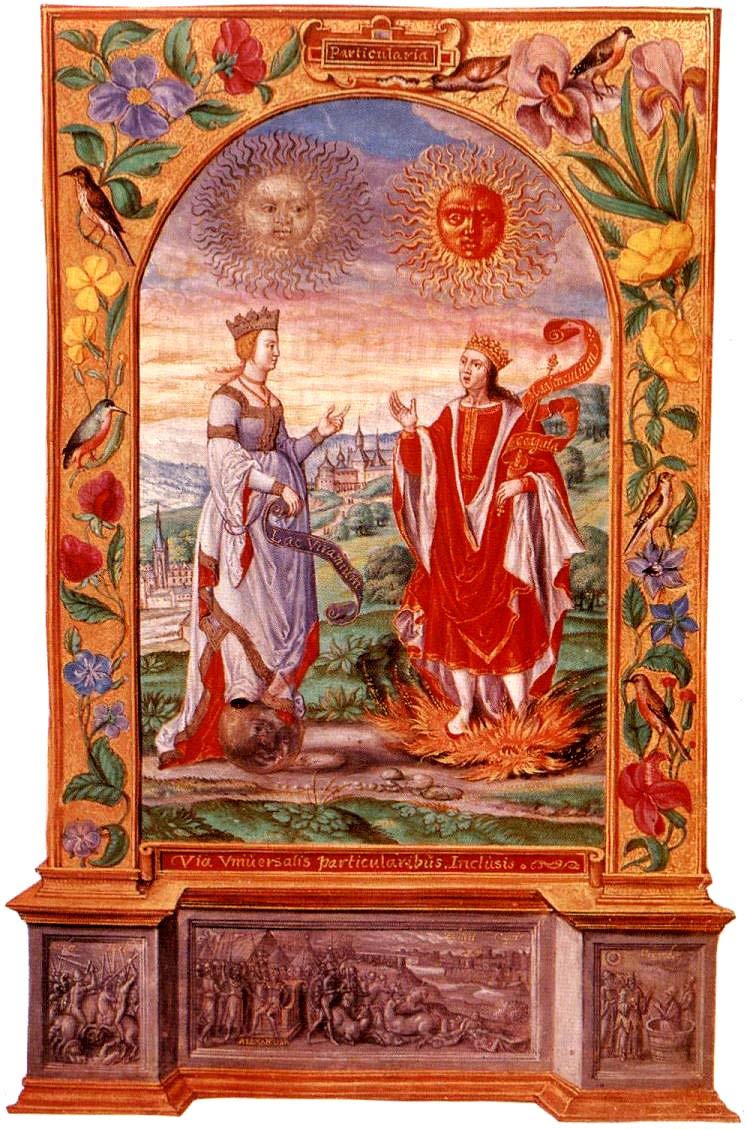
Lámina IV
Splendor Solis
Every position has its passage
Explore the argument maps and compare what the voices declare, including what remains undeclared.
2 argument maps →Ask the corpus
Ask a question and inspect the sources consulted. Account and credits required for AI queries.
Ask a question →
You don’t need an answer.
Just a question.